
EDITORIAL PERSPECTIVE
Finding the Balance with Vitamin D: Sunlight, Food, or Supplements?
Controversies surrounding vitamin D screening, the exact definition of deficiency, the role of lifestyle and genetic risk factors, and appropriate, balanced approaches to supplemental dosing highlight the need for clarity and personalized care for both general and at-risk populations.
By Renaldo Pool, BHSc
Introduction
When we think of vitamin D sufficiency, we think of sunlight, bone health, mood-related improvements, and a well-functioning immune system; however, recent studies have revealed numerous other influences this hormone has on the body’s interconnected mechanisms.
Of late, vitamin D deficiency has been a topic of discussion, given the global health concern it poses and the long-term adverse health outcomes it can cause if left unaddressed. Different societies and authorities in various parts of the world have addressed this by issuing guidelines for both at-risk individuals and the public, examining it from preventive and maintenance perspectives, and promoting awareness of vitamin D sufficiency. Population groups identified as at increased risk of deficiency – particularly older adults, those with limited sun exposure, and those with malabsorption conditions, to name a few – should prioritize their overall health by seeking clinical confirmation and medical guidance from a trusted healthcare professional.
However, the modern-day health culture increasingly promotes supplement use as a quick preventive fix and a shortcut to optimal long-term wellness. Instead, lifestyle habits such as sunlight exposure, dietary recommendations, physical activity, and metabolic changes are often overlooked; this is where wellness culture often promotes a lifestyle of convenience and quick solutions. A growing concern is the over-medicalization of possible mild or assumed deficiencies, especially in the generally healthy population, where lifestyle habits could offer a more appropriate first-line support than relying on heavily marketed wellness products.
Given contradictory evidence from large randomized controlled trials and the generalized psychosocial perspective on supplement use, future studies aiming to adopt more personalized and targeted approaches would truly reflect epistemic humility.
For your convenience, use the content table below to jump to sections that pertain to you or that you want to know more about.
Why Sufficient Vitamin D Matters – A Public Health Perspective
There is more to maintaining a balanced level of vitamin D than relative bone density. This hormone’s involvement across multiple organ systems highlights its importance in reducing the risk of life-altering conditions and in alleviating the symptoms associated with these conditions, especially given that various risk factors contribute to nearly 50% of insufficient 25(OH)D levels, which is considered an accurate measurable form of vitamin D status, in certain population groups (Kaur et al., 2025).
It is also estimated that vitamin D deficiency is prevalent in both developed and developing countries worldwide, affecting approximately 1 billion individuals.
(Kaur et al., 2025)
However, the essentiality of a balanced approach to vitamin D supplementation lies in determining whether you are at increased risk of deficiency-related conditions and, through specific clinical testing, medical guidance, and an appropriate dosing regimen, ensuring that the supplementation is tailored to your clinical needs. In addition, the reason for safe and appropriate dosages is essentially to reduce the risk of toxicity from mega-dosing or unnecessary overuse.
How is Vitamin D Made and Used by the Body?

This hormone's production is initiated in the skin via a non-enzymatic photochemical reaction induced by ultraviolet B (UVB) rays (at a wavelength of 290-320nm) (Pereira et al., 2019; Webb et al., 2021). 7-dehydrocholesterol is converted to previtamin D3, which then undergoes further thermal conversion to cholecalciferol (vitamin D3) (Mavar et al., 2024; Sosa-Henríquez et al., 2025). When you consume foods such as plants or fortified foods that contain this vitamin, it is usually ergocalciferol (D2) (Giustina et al., 2024; Kaur et al., 2025).
Vitamin D, which is absorbed, is provided entrance to intestinal micelles (finger-like structures in the intestinal mucosa), along with bile salts and fats. Vitamin D is transported via passive diffusion (from high to low concentrations) or via transport proteins into enterocytes, where it associates with chylomicrons and is delivered by the lymphatic system into the circulation (Mavar et al., 2024; Sosa-Henríquez et al., 2025). It binds primarily to vitamin D-binding protein (DBP) or albumin to facilitate transport; alternatively, free forms of vitamin D enter most cells (Webb et al., 2021; Sosa-Henríquez et al., 2025).
The metabolism of vitamin D takes place in the liver. Cholecalciferol is hydroxylated through a 25-hydroxylation mechanism through CYP2R1 or CYP27A1, forming 25-hydroxyvitamin D (25(OH)D), which is the main form found in circulation – also referred to as calcidiol (Webb et al., 2021; Mavar et al., 2024; Sosa-Henríquez et al., 2025). The kidneys are responsible for converting vitamin D into the active form, calcitriol (1,25-dihydroxyvitamin D), through 1α-hydroxylation (CYP27B1) (Webb et al., 2021; Kaur et al., 2025; Sosa-Henríquez et al., 2025). Additionally, parathyroid hormone (PTH), phosphate, calcium, and FGF23 regulate this process (Sosa-Henríquez et al., 2025). The active form is metabolized by CYP24A1-mediated 24-hydroxylation, yielding inactive metabolites such as calcitroic acid (Giustina et al., 2024).
Simply put, vitamin D is produced after adequate UVB exposure to the skin, which accounts for the majority of its synthesis, with dietary intake contributing the remainder. It undergoes conversion in the liver and kidneys, forming its biologically active form, which aids in calcium regulation and contributes to bone health, immune signaling, and muscle function.
For the purposes of this article, the laboratory-measured form of vitamin D - 25(OH)D (calcidiol) - is referred to as vitamin D throughout to avoid confusion.
But What Causes Deficient Vitamin D Levels?
The causes of vitamin D deficiency can be divided into external and internal (physiological) risk factors.
External factors
- Reduced or limited sunlight exposure due to urbanization and an indoor lifestyle, albeit through preference, hospitalization, and, for instance, the elderly in frail care or due to ambulatory lifestyles (Webb et al., 2021; Kaur et al., 2025; Sosa-Henríquez et al., 2025).
- Cutaneous vitamin D production (i.e., from the skin) also decreases with age (Webb et al., 2021; Kaur et al., 2025; Sosa-Henríquez et al., 2025).
- Pollution causes decreased UV penetration (Webb et al., 2021).
- Socioeconomic influences, such as low availability of food sources that contain vitamin D, such as eggs and fatty fish, as well as food with added micronutrients (fortified foods) (Kaur et al., 2025; Sosa-Henríquez et al., 2025).
- In addition, elderly individuals might not consume sufficient amounts of vitamin D-containing foods, whether fortified foods or naturally occurring sources (Kaur et al., 2025).
Physiological Factors
- Experiencing malabsorption due to conditions such as irritable bowel disease, celiac disease, gastric bypass, chronic pancreatic insufficiency, and cystic fibrosis can lead to inefficient absorption of these vitamins and other nutrients (Kaur et al., 2025; Sosa-Henríquez et al., 2025).
- Obesity (vitamin D becomes trapped in adipose tissue) decreases its bioavailability for absorption (Kaur et al., 2025; Sosa-Henríquez et al., 2025).
- A reduced level of biologically active vitamin D is also noted following bariatric surgery (Sosa-Henríquez et al., 2025).
- When liver and kidney function are dysregulated, as seen in liver cirrhosis or chronic kidney disease (CKD), the conversion of inactive vitamin D to the biologically active 25-hydroxyvitamin D is impaired. Moreover, abnormalities in 1alpha-25-hydroxylation are also seen in kidney failure and hypoparathyroidism (Kaur et al., 2025; Sosa-Henríquez et al., 2025).
- Certain medications, such as rifampin, phenobarbital, carbamazepine, and dexamethasone, among others, are contraindicated because they can accelerate the breakdown of vitamin D in the liver by P450 enzymes into inactive metabolites (Kaur et al., 2025; Sosa-Henríquez et al., 2025). In other words, forms of vitamin D that cannot be used by the body.
- Genetically, individuals may be predisposed to reduced vitamin D synthesis (e.g., Vitamin D Receptor polymorphisms – this means that the receptors that specifically bind vitamin D can have different shapes or configurations, not allowing it to bind vitamin D effectively). In addition, vitamin D receptors have also been noted to decrease with age (Stevens et al., 2024; Sosa-Henríquez et al., 2025).
- Individuals with increased melanin content (darker complexion) may experience reduced vitamin D production due to less UVB penetrating their skin for vitamin D synthesis (Pereira et al., 2019; Webb et al., 2021; Kaur et al., 2025; Gordon & LeBoff, 2025; Sosa-Henríquez et al., 2025).
How Does Vitamin D Deficiency Affect You Physiologically?
A number of metabolic and physiological processes are influenced by vitamin D deficiency. It has been associated not only with effects on bone health but also with effects on immune function, development of Type 2 Diabetes Mellitus (T2DM), thyroid function, cardiovascular health, and the brain. Only a few of these are briefly looked at below.
Bone and Muscle Impact
Low vitamin D levels can also be accompanied by impaired absorption of calcium and phosphate in the intestines. In turn, it increases parathyroid hormone (PTH), leading to secondary hyperparathyroidism (Deepika et al., 2025; Grant et al., 2025; Kaur et al., 2025). Vitamin D also requires sufficient calcium to maintain bone health (Demay et al., 2024; Deepika et al., 2025). A characteristic effect of the aforementioned is bone breakdown due to increased osteoclast activity (responsible for bone resorption), which can cause osteomalacia (bone softening) or osteoporosis (decreased bone mineral density and increased likelihood of fractures) in adults or rickets in children (Deepika et al., 2025; Gordon & LeBoff, 2025; Kaur et al., 2025). Muscles, on the other hand, are affected by an inability to contract adequately, resulting in muscle weakness and increasing the risk of falls and bone fractures.
Immunity and Metabolism
A vitamin D level below normal has been associated with chronic inflammation due to immune system involvement, given the presence of the vitamin D receptor (VDR) in numerous cells and tissues (Giustina et al., 2024; Deepika et al., 2025). Vitamin D was also found to regulate, suppress, and promote the activity of immune cells involved in adaptive and innate immunity (Deepika et al., 2025). In addition, chronic inflammation, alongside increased oxidative stress and dysregulated insulin function, can increase the risk of insulin resistance, which is associated with diabetes (Deepika et al., 2025). On a larger scale, when these systems in the body are affected, it has been associated with an increased risk of infections, autoimmune conditions, cardiovascular problems, diabetes, and certain cancers (Deepika et al., 2025; Grant et al., 2025; Kaur et al., 2025). In general, a person’s health deteriorates, accompanied by fatigue, poor wound healing, and increased mortality in severe cases (Grant et al., 2025; Kaur et al., 2025). Now, whether vitamin D is merely a marker of chronic non-communicable conditions, as described above, or is actively involved in the mechanisms underlying these conditions when deficient remains to be studied (Deepika et al., 2025).
Brain Health
Due to these VDRs also being present in the brain, which usually aids in the production of new neurons, neurotrophic factors, and clearance of amyloid buildup – associated with Alzheimer’s Disease – a deficiency of vitamin D has been connected to poor executive function, memory, and the speed at which critical thinking takes place (Grant et al., 2025). In turn, sufficient vitamin D levels have been associated with improved sleep quality and neuroprotective properties that help regulate neuroinflammation, neurotransmitter levels, and emotional regulation associated with depression (Grant et al., 2025).
Despite observational studies pointing to potential causal factors contributing to increased risks of specific conditions or disorders, evidence for the benefits of using supplements to mitigate these conditions remains inconsistent and requires further investigation through randomized controlled trials (Deepika et al., 2025).
To Supplement or Not To Supplement
If you are a generally healthy individual and the first thing you do in the morning is reach for a handful of supplements, it might be worth asking yourself: Is this for treatment, or has this become a default in modern wellness culture? Can I create sustainable, healthy habits that address the root cause for prevention outcomes, or do I need medical guidance based on a clinical need?
The prevalent trend nowadays is the paradox of supplementation, where consumers seek to improve their overall health even when it may not be clinically necessary – in other words, you might not exhibit symptoms or have a clinical indication for a condition, but introduce supplement use as a preventive measure. What would be more appropriate to consider when introducing supplements is moderate use, an appropriate dosing regimen, and the clinical need for them – this should guide clinical decision-making, along with consulting a trusted healthcare professional.
When is Supplementation Necessary?
Of course, supplementation is necessary, particularly when vitamin D deficiency has been clinically confirmed through laboratory testing and consideration of your health history and at-risk status; however, preventive measures through various lifestyle interventions can also yield beneficial outcomes (Gordon & LeBoff, 2025). In other words, alternative approaches to supplement use should also be considered.
It is essential to note that vitamin D, as a hormone, is not being questioned for its role in the wide array of functions it is involved with in the body; however, controversial evidence and ongoing debates regarding the definition of vitamin D deficiency, which population group requires supplementation, and when supplements are used as preventive care, and when is it considered too much? (Demay et al., 2024; McCartney et al., 2024; Paparodis et al., 2024; Gordon & LeBoff, 2025)
For instance, the clinically normal range for vitamin D levels varies because laboratory testing methods use different cut-off values, leading to disagreements among healthcare professionals about what is truly considered deficient (Giustina et al., 2023; Paparodis et al., 2024). For example, a severe deficiency is defined as <30 nmol/L, whereas levels >50 nmol/L are considered sufficient for optimal bone health, especially in the older population (Bouillion et al., 2022; McCartney et al., 2024; Paparodis et al., 2024). However, another study found that levels >75 nmol/L are adequate for vitamin D maintenance (Sosa-Henríquez et al., 2025). This is also consistent with the difficulty of establishing thresholds for the appropriate dose regimen, given mixed findings regarding cutoff values for deficiency and insufficiency (McCartney et al., 2024; Deepika et al., 2025; Grant et al., 2025).

When Should I Test My Vitamin D Levels?
Because of the latest guidelines advising against generalized screening for vitamin D status and indicating that it is not deemed necessary for health and other population groups, there should be a clear distinction between public health screening from a general population perspective and testing in high-risk populations for clinical purposes to determine deficiency (Kaur et al., 2025; Gordon & LeBoff, 2025). This should also be considered to prevent over-screening or routine testing in the general population, especially healthy individuals, which can overburden the healthcare system and have economic impacts (Giustina et al., 2023; Demay et al., 2024; Paparodis et al., 2024; Gordon & LeBoff, 2025).
The irony is that people at increased risk may not be tested to confirm vitamin D deficiency but are instead treated with empirical dosing to aid recovery from presumed low vitamin D levels, based on their at-risk status (Gordon & LeBoff, 2025; Sosa-Henríquez et al., 2025). Where individuals following wellness trends that emphasize health optimization and preventive measures have their levels tested as part of routine screening. Therefore, it is essential to recognize that testing is preferably recommended for clinical evaluation in individuals with multiple risk factors for deficiency (Giustina et al., 2023; Kaur et al., 2025; Sosa-Henríquez et al., 2025).
Is it Possible to Overuse Supplements?
The flip side of the pursuit of better health is finding a balanced approach to supplement use – and yes, low-dose, responsible use is possible (Paparodis et al., 2024; Gordon & LeBoff, 2025; Sosa-Henríquez et al., 2025).
Moreover, when considering the appropriate dosing regimen, controversial findings further complicate matters, as mentioned earlier and discussed in the literature by McCartney et al. (2024). Demay et al. (2024) and Deepika et al. (2025) discuss the use of daily supplements across different population groups that do not exceed specific Dietary Reference Intake (DRI) guidelines, for instance, no more than 600 IU/L per day for adults younger than 50 years of age (Gordon & LeBoff, 2025). However, the daily recommended requirement also needs further research to establish well-defined cut-offs (Deepika et al., 2025).
Furthermore, different guidelines from the Institute of Medicine (IOM) and the European Food Safety Authority (EFSA), for instance, have indicated that a long-term daily dose of 4000 IU/L is considered tolerable for the general population, with no adverse effects reported (Bouillion et al., 2022; Paparodis et al., 2024; Sosa-Henríquez et al., 2025). In addition, a daily upper limit of 10 000 IU/L has also not been associated with adverse effects; however, other studies have advised against this due to long-term implications for calcium balance. Furthermore, contradictory evidence suggests that long-term monthly doses between 60 000 and 300 000 IU/L (equivalent to the daily intake) have adverse effects (Sosa-Henríquez et al., 2025). Alongside this, high one-off doses prescribed infrequently to quickly correct deficiencies have also been associated with adverse effects, such as increased fracture and fall rates (Bouillion et al., 2022; Demay et al., 2024; Sosa-Henríquez et al., 2025).
When we consider excess dosages of vitamin D supplements, that could lead to vitamin D toxicity, it can result in hypercalcemia (a clinically high concentration of calcium in your body), which leads to nausea, vomiting, constipation, overall weakness, damage to your kidneys, a state of confusion, and arrhythmias (an irregular, too fast, or too slow heartbeat) (Kaur et al., 2025; Sosa-Henríquez et al., 2025). Increased vitamin D levels beyond what is necessary can also dysregulate calcium metabolism and may not yield expected additional benefits (McCartney et al., 2024).
However, where supplement use is suggested is in population groups, such as (Sosa-Henríquez et al., 2025):
- Individuals with clinically confirmed deficient levels.
- In older adults (i.e., older than 65 years).
- People at risk of osteoporosis, such as older individuals and postmenopausal women (Paparodis et al., 2024).
- Prediabetic and diabetic population groups.
- Individuals living in areas with limited or decreased sun exposure due to geographical location (Pereira et al., 2019; Webb et al., 2021).
- Individuals with malabsorption conditions, as well as liver and kidney conditions.
- Specific population groups with reference to more melanin skin content, pregnancy, and socioeconomic status (Kaur et al., 2025).
Controversies Regarding Vitamin D Supplementation
What proves true vitamin D deficiency, routine screening, and generalized mass-prescribed supplement use, such a controversial topic, is the inconsistent findings between randomized controlled trials (RCTs) and observational studies, where the former highlight low vitamin D levels are not necessarily the cause of poor health but a possible indicator of, or associated with, poor health due to an entirely different cause (Bouillion et al., 2022). Grant et al. (2025), in turn, describe the benefits of maintaining sufficient vitamin D levels and their association with a reduced risk of certain debilitating conditions.
Moreover, large randomized clinical trials, such as VITAL, ViDA, D2D, and DO-HEALTH, have reported findings regarding supplement use in the general population, particularly among healthy individuals, with no or only limited beneficial effects beyond correcting deficiencies (Bouillion et al., 2022; Demay et al., 2024; McCartney et al., 2024; Paparodis et al., 2024; Kaur et al., 2025). Simply put, these studies have not found a definitive link between supplement use and the prevention of certain conditions, such as heart disease, fractures, cancer, fatigue, or infections (Bouillion et al., 2022; Deepika et al., 2025; Kaur et al., 2025).
Awareness and Evidence-based Approaches
McCartney et al. (2024) describe the vitamin D screening and supplementation problem as one of epistemic humility, which reflects the nuance of the current situation, in which we recognize that there are no crystal-clear indications for the most appropriate screening and supplementation interventions to follow; however, as prospective research continues, we might have more clarity in the future (Gordon & LeBoff, 2025; Grant et al., 2025).
The key takeaway is that evidence-based interventions, combined with guidance from healthcare professionals and a personalized approach, can help you make informed decisions. If necessary and medically indicated, supplementation should be based on clinical need and preferably not treated as a trendy, wellness quick fix or a one-size-fits-all approach.
Evidence-based approaches include:
- The assumption should not be that everyone requires empiric supplements.
- Clinically confirmed deficiencies should not be ignored.
- Testing for vitamin D deficiency should be based on clinical need and performed by a healthcare provider through clinical evaluation, taking into account your clinical history, lifestyle factors, and at-risk status.
- If you implement supplementation, ensure the dosage is prescribed by a healthcare professional rather than self-prescribing over-the-counter options, which could lead to overuse, inadequate supplementation concentration, or noncompliance with the recommended daily use (McCartney et al., 2024; Paparodis et al., 2024).
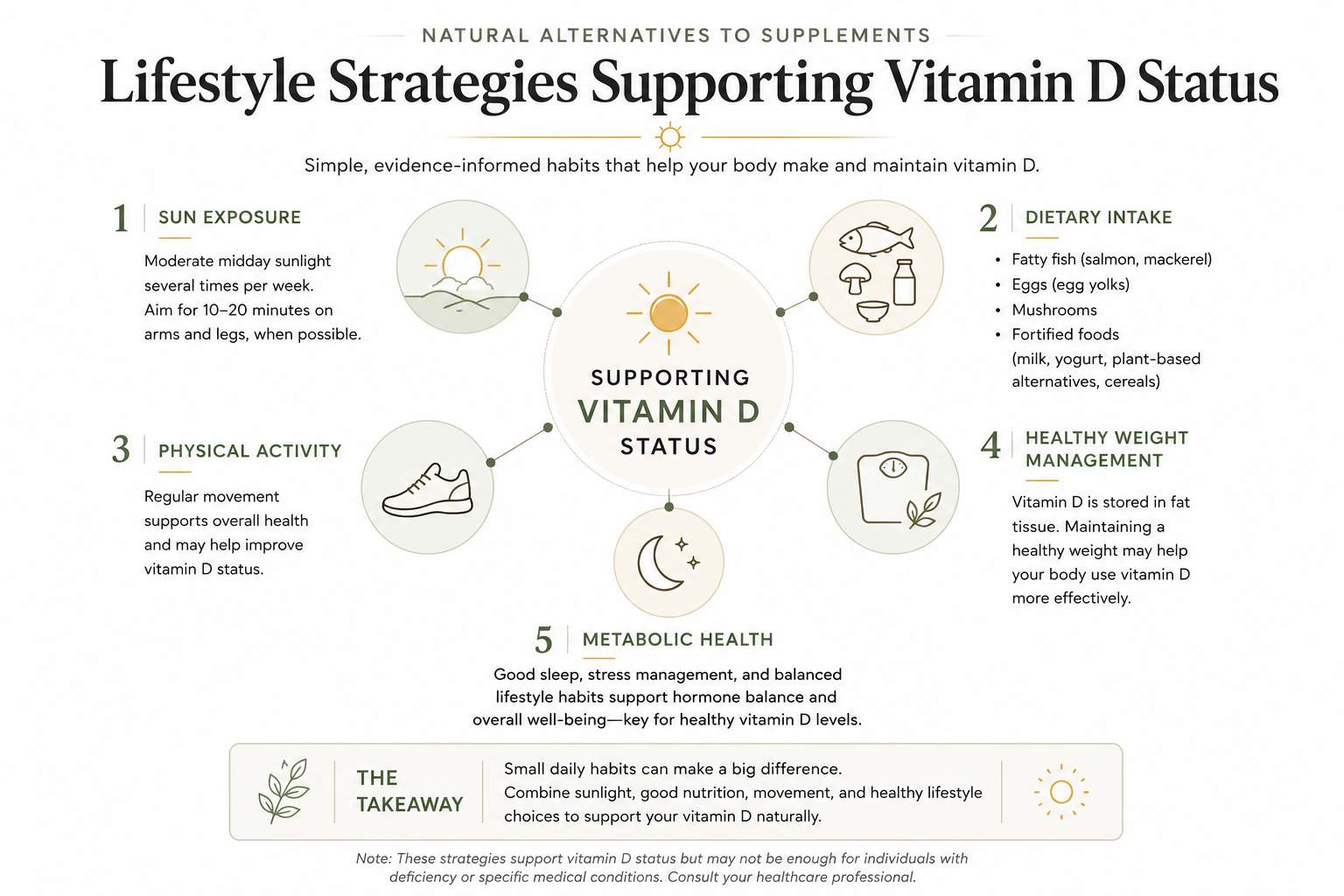
- Where possible, implement alternative measures as well, such as moderate, controlled exposure to sunlight and prioritizing nutrition, movement, and general healthy habits (Webb et al., 2021; Sosa-Henríquez et al., 2025).
A Psychosocial Perspective
Psychosocially, the modern approach to health, especially in preventive care, often turns to quick fixes hyped by social media endorsements – I briefly discussed this in the context of my GLP-1 Receptor Agonists article. What also contributes to this is social acceptance of self-dosing and the pressure to maintain optimal health, which further drives consumers to take “health and wellness” into their own hands.
Ask yourself: Is vitamin D being used to correct a confirmed deficiency, or are you taking it based on an assumption, hyped by social acceptance and health optimization outcomes, rather than basing your decision on clinical and medically guided evidence?
What Could Influence Unnecessary Supplement Use?
With the shift toward a more indoor lifestyle, the increasing availability of processed foods, and pollution (Grant et al., 2025), among other factors, it is easy to be swayed by the marketing hype surrounding supplement use. It usually promises improved, fast-acting health outcomes with minimal effort. Another factor is consumers’ limited knowledge or self-perceived experience of the benefits of supplement use. For instance, it is common knowledge that vitamin D is essential for bone health and immunity (Gordon & LeBoff, 2025), and thus, because you think you need to ensure strong bones and a functioning immune system, more so during the colder winter time, you opt for supplement use as a preventive add-on.
What Does the Research Say?
A potential link between sufficient vitamin D levels and the maintenance of other bodily systems has also been noted in several observational studies, but the association or causal relationship remains poorly defined or unclear, especially relating to vitamin D deficiency, and requires further research (Bouillion et al., 2022; McCartney et al., 2024; Kaur et al., 2025). In contrast, other studies, as discussed by Grant et al. (2025), report the positive impact of sufficient vitamin D status on numerous extraskeletal mechanisms, based on observational studies (Pludowski, 2023; Deepika et al., 2025).
Another example includes the belief that, due to vitamin D’s connection to neurotransmitter hormone regulation, improved sleep quality, cognitive function, and neuroprotective properties, as well as mood regulation related to depression (Grant et al., 2025), it drives consumers to take matters into their own hands. Another consideration is the placebo effect in self-prescribed nutraceuticals, which drives the ideation of self-care and the optimization of one's own health. In turn, it further drives this type of behavior, despite certain studies suggesting it may or may not have a beneficial effect when vitamin D levels are already sufficient. Furthermore, these findings from clinical trials suggest that it may not have the expected net effect of decreasing the development of certain conditions, or may not yield a beneficial outcome when empiric supplementation is prescribed (McCartney et al., 2024; Deepika et al., 2025; Kaur et al., 2025). For instance, RCTs suggested that individuals with healthy vitamin D levels did not show lowered risks for cardiovascular disease, type 2 diabetes mellitus, cancer, or overall mortality (Bouillion et al., 2022; Kaur et al., 2025).
However, despite conflicting evidence and the psychosocial influences of supplement use, let’s examine the current pharmaceutical interventions and lifestyle-based approaches.
Current Pharmaceutical Interventions
Currently, therapeutic interventions recommended worldwide highlight cholecalciferol (D3) supplementation as a first-line option due to its pharmacokinetic properties, including a functional 60-day half-life (Sosa-Henríquez et al., 2025).
Supplement Dosage on a Case-by-Case Basis
Dosages should preferably be determined on a case-by-case basis, taking into account region- or country-specific factors and guidelines (Grant et al., 2025), such as age, baseline vitamin D levels, body composition, absorption capacity, and the severity of the deficiency. With a longer supplement use period suggested for at-risk individuals, these cases should be monitored to prevent high-dose and long-term use-associated risks (Deepika et al., 2025). This is where prospective studies focus on developing targeted approaches for pharmaceutical interventions to maintain balanced vitamin D levels, considering the dose-response relationship and genetic factors (Paparodis et al., 2024; Gordon & LeBoff, 2025).
Different Dosages for Different Circumstances
- Correcting Severe Deficiency
A common global approach to vitamin D supplementation, specifically for severe deficiency, includes a high dose of 50 000 IU of D2/D3 for an eight-week period (according to the Endocrine Society guidelines), or 2000 - 6000 IU/day to reach which is considered normal levels, i.e., >30 ng/ml (Paparodis et al., 2024; Grant et al., 2025; Kaur et al., 2025). After daily supplementation, 800 – 2000 IU is prescribed for maintenance to maintain normal levels (Paparodis et al., 2024; Kaur et al., 2025). Calcifediol (D2) is suggested as a second-line intervention to improve absorption, especially in individuals with malabsorption due to different factors.
- Safe Empirical Dosage for Specific Population Groups
It is also noted that a safe recommended empiric dosage for older adults (60+ years of age), individuals with obesity (BMI >30), people with limited sun exposure, diet, and increased melanin skin content is 800 – 4000 IU over a prolonged period (Benedik, 2022; Paparodis et al., 2024; Sosa-Henríquez et al., 2025). However, vitamin D and calcium levels should be monitored if high doses are prescribed for an extended period (i.e., >10 000 IU).
- Monitoring Prolonged High Dosages
For instance, a dosage of > 3 200 IU daily increases the risk of hypercalcemia and toxicity, leading to an increased chance of hospitalization (Benedik, 2022; Sosa-Henríquez et al., 2025). Notably, despite the increased risk of hypervitaminosis with high-dose administration, it is also considered rare. Instances of vitamin D toxicity have been reported with the daily administration of high doses exceeding the upper limit set by specific guidelines, intake of vitamin D metabolites, incorrect labeling, or inappropriate use (Deepika et al., 2025; Sosa-Henríquez et al., 2025).
| Clinical scenario | Common approach |
| Severe deficiency | Higher short-term correction dose |
| Mild deficiency | Moderate daily supplementation |
| Maintenance phase | Lower long-term daily dose |
| High-risk populations | Individualized prolonged dosing |
| High-dose therapy | Requires monitoring |
Table 1: This table indicates the clinical scenario and guideline-associated suggestions for vitamin D level treatment and maintenance
Personalized and Targeted Approaches
Moreover, updated guidelines and policies advise against routine serum vitamin D testing, especially in healthy adults under 75 years of age, in favor of a patient-centered, targeted supplementation approach that considers symptoms and risk factors (McCartney et al., 2024; Paparodis et al., 2024; Kaur et al., 2025). Alongside this, prospective studies and guidelines should review improved approaches to targeted supplementation and not promote a one-size-fits-all approach – such as PTH and calcium monitoring, epigenetic and genetic testing, malabsorptive presence, the desired vitamin D level, and scheduled vitamin D testing to minimize routine testing (Paparodis et al., 2024; Deepika et al., 2025).
Thus, the above section suggests that the pharmaceutical intervention for vitamin D deficiency recovery should be discussed with your healthcare professional to address your specific testing needs, consider your clinical history and risk-to-benefit factors, and, as clinically indicated, provide guidance before initiating supplementation.

Alternative Measures to Vitamin D Supplementation
Taking the above-prescribed dosage suggestions into consideration, this article also highlights the use of alternative methods before supplementation is seen as the only viable option – this also depends on your current state of health and clinical need, i.e., whether you are at increased risk of conditions associated with vitamin D deficiency.
Sun, UVB Exposure, and Vitamin D
Since sun exposure is the primary source of vitamin D production in the body, a number of studies have also examined how much sun exposure is required to kick-start vitamin D synthesis, taking safety risks and dose-response into account (Webb et al., 2021; Deepika et al., 2025; Grant et al., 2025). According to Kaur et al. (2025), approximately 20 minutes of UVB exposure daily is sufficient to initiate subcutaneous vitamin D production, given that about 40% of the skin is exposed during this time. This is also in line with the maximum recommended UVB exposure to prevent increased cancer-associated risks.
Moreover, Pereira et al. (2019) (and other studies discussed in their research) found that using SPF 30 for photoprotection did not alter vitamin D production after sun exposure compared with a control group with no photoprotection. There are various reasons for insufficient vitamin D synthesis via the UVB exposure pathway, including time of day, UVB index, geographical location, seasonal changes, clothing coverage, seeking shade, and urban lifestyles that favor indoor living (Pereira et al., 2019; Kaur et al., 2025). Contrastingly, other research suggests that prolonged sunscreen use may reduce vitamin D production over the long term (Kaur et al., 2025).
However, the infrequent or inadequate application of sunscreen should also be considered, less than the suggested amount of 2mg/cm3, as well as UVB penetrating through certain clothing and the scalp that are not covered by topical photoprotection, which further promotes the idea that sufficient vitamin D could still be produced, taking the different variables into account (Pereira et al., 2019).
Vitamin D Through Dietary Intake
Incorporating vitamin D-rich foods into your diet, such as cod liver oil, fatty fish, which includes salmon, tuna, mackerel, egg yolks, cow liver, cocoa, dark chocolate, UVB-exposed mushrooms such as shiitake and portobello (Benedik, 2022), and fortified products (D2 or D3 vitamins are added to these products) such as milk, yogurt, tofu, juice, and cereal, also provides a way to obtain vitamin D (Bruins, 2025; Deepika et al., 2025; Grant et al., 2025; Kaur et al., 2025).
The uptake of vitamin D also depends on various factors that should be considered, such as vitamin D form (D2 or D3), overall lipid content in the product, dietary fiber, state of vitamin D, matrix of food sources, biological aging impacting nutrient absorption, malabsorptive conditions, and surgery, as well as the minimum amount suggested for intake as described by the EFSA (Benedik, 2022; Bruins, 2025; Deepika et al., 2025).
Exercise and Movement for Vitamin D Precursor Circulation
It is suggested that intensive exercise may increase the release of vitamin D from fat or muscle tissue, which can also aid vitamin D production; however, the type and duration of exercise, gender, and vitamin D levels are factors to consider (Zhang & Cao, 2022). Although some observational studies have found increased vitamin D levels in deficient individuals following intense endurance exercise, other research has reported conflicting evidence; thus, further studies are required in this area (Zhang & Cao, 2022; Khan et al., 2024).
Genetic Adaptations for Sufficient Vitamin D Levels
An interesting perspective suggests that physiological adaptations in certain human populations, influenced by factors such as geography, sun exposure, and genetics, have shaped how vitamin D is used through distinct metabolic and extraskeletal mechanisms. These insights suggest that different population groups across the globe may function with lower vitamin D concentrations than previously suggested (Stevens et al., 2024; Sosa-Henríquez et al., 2025). This also suggests that a generalized perspective on vitamin D requirements may differ across populations (Gospodarska et al., 2023; Stevens et al., 2024; Sosa-Henríquez et al., 2025).
Prospective Intervention Methods
Future directions are shifting toward more personalized, targeted interventions for vitamin D management and support. A few methods include genetic testing, individualized dosing in instances that necessitate supplement use, better biomarker monitoring, increasingly more focus on food fortification implementation, and last but not least, the shift to exact nutritional guidance designed for each individual, taking the risk-benefit into account, to determine who will benefit from supplementation and reducing unnecessary generalized screening and overuse.
Conclusion
It is well established that vitamin D is essential for numerous processes in the human body, but one aspect to consider for overall health is perspective and an understanding of the nuances of your health status and when supplement use is appropriate.
Clinically confirmed deficiency requires appropriate testing, personalized and targeted treatment, and medical guidance from a trusted healthcare professional. It should be considered that not all low vitamin D levels require immediate medical intervention, i.e., extremely high-dose supplementation regimens, despite the global deficiency status reported in the literature.
With controversies surrounding vitamin D supplement benefits and outcomes, especially in healthy populations, and with future research investigating genetic and epigenetic risk factors, the focus should be on clinical assessment, risk-benefit status, healthy lifestyle habits, and the most appropriate dosing when supplements are clinically advised.
A valuable takeaway is that more is not always better; moderation, balance, and evidence-based decision-making should guide treatment plans. Moreover, to support sustainable health outcomes, prioritizing healthy daily habits over quick-fix capsules or powders is key.
Reference List
- Benedik, E. (2022). Sources of vitamin D for humans. International Journal for Vitamin and Nutrition Research, 92(2), 118–125. https://doi.org/10.1024/0300-9831/a000733
- Bouillon, R., Manousaki, D., Rosen, C., Trajanoska, K., Rivadeneira, F., & Richards, J. B. (2022). The health effects of vitamin D supplementation: evidence from human studies. Nature reviews. Endocrinology, 18(2), 96–110. https://doi.org/10.1038/s41574-021-00593-z
- Bruins, M. J. (2025). Contribution of different vitamin D forms and fortified foods to vitamin D intake in Europe: A narrative review. The Journal of Steroid Biochemistry and Molecular Biology, 251, 106761. https://doi.org/10.1016/j.jsbmb.2025.106761
- Deepika, Kumari, A., Singh, S., Ahmad, M. F., Chaki, D., Poria, V., Kumar, S., Saini, N., Yadav, N., Sangwan, N., BinMowyna, M. N., Alsharari, Z. D., Kambal, N., Min, J. H., & Raposo, A. (2025). Vitamin D: recent advances, associated factors, and its role in combating non-communicable diseases. Npj Science of Food, 9(1), 100. https://doi.org/10.1038/s41538-025-00460-5
- Demay, M. B., Pittas, A. G., Bikle, D. D., Diab, D. L., Kiely, M. E., Lazaretti-Castro, M., Lips, P., Mitchell, D. M., Murad, M. H., Powers, S., Rao, S. D., Scragg, R., Tayek, J. A., Valent, A. M., Walsh, J. M. E., & McCartney, C. R. (2024). Vitamin D for the Prevention of Disease: An Endocrine Society Clinical Practice Guideline. The Journal of Clinical Endocrinology & Metabolism, 109(8), 1907–1947. https://doi.org/10.1210/clinem/dgae290
- Giustina, A., Bilezikian, J. P., Adler, R. A., Banfi, G., Bikle, D. D., Binkley, N. C., Bollerslev, J., Bouillon, R., Brandi, M. L., Casanueva, F. F., Di Filippo, L., Donini, L. M., Ebeling, P. R., Fuleihan, G. E., Fassio, A., Frara, S., Jones, G., Marcocci, C., Martineau, A. R., . . . Virtanen, J. K. (2024). Consensus Statement on Vitamin D Status Assessment and Supplementation: Whys, whens, and hows. Endocrine Reviews, 45(5), 625–654. https://doi.org/10.1210/endrev/bnae009
- Gordon, C. M., & LeBoff, M. S. (2025). Vitamin D and disease prevention in 2024: commentary on recent Endocrine Society recommendations. Journal of bone and mineral research : the official journal of the American Society for Bone and Mineral Research, 40(5), 569–571. https://doi.org/10.1093/jbmr/zjaf036
- Gospodarska, E., Ghosh Dastidar, R., & Carlberg, C. (2023). Intervention Approaches in Studying the Response to Vitamin D3 Supplementation. Nutrients, 15(15), 3382. https://doi.org/10.3390/nu15153382
- Grant, W. B., Wimalawansa, S. J., Pludowski, P., & Cheng, R. Z. (2025). Vitamin D: Evidence-Based Health Benefits and Recommendations for Population Guidelines. Nutrients, 17(2), 277. https://doi.org/10.3390/nu17020277
- Kaur, J., Khare, S., & Givler, A. (2025). Vitamin D deficiency. StatPearls - NCBI Bookshelf. https://www.ncbi.nlm.nih.gov/books/NBK532266/
- Khan, S., Claeson, M., Khan, A., & Neale, R. (2024). The effect of physical activity on vitamin D: A systematic review and meta-analysis of intervention studies in humans. Public Health in Practice, 7, 100495. https://doi.org/10.1016/j.puhip.2024.100495
- Mavar, M., Sorić, T., Bagarić, E., Sarić, A., & Matek Sarić, M. (2024). The Power of Vitamin D: Is the Future in Precision Nutrition through Personalized Supplementation Plans? Nutrients, 16(8), 1176. https://doi.org/10.3390/nu16081176
- McCartney, C. R., McDonnell, M. E., Corrigan, M. D., & Lash, R. W. (2024). Vitamin D Insufficiency and Epistemic Humility: An Endocrine Society Guideline Communication. The Journal of Clinical Endocrinology & Metabolism, 109(8), 1948–1954. https://doi.org/10.1210/clinem/dgae322
- Paparodis, R. D., Bantouna, D., Karvounis, E., Zoupas, I., Livadas, S., Angelopoulos, N., Imam, S., Papadimitriou, D. T., & Jaume, J. C. (2024). Intense Testing and Use of Vitamin D Supplements Leads to Slow Improvement in Vitamin D Adequacy Rates: A Cross-Sectional Analysis of Real-World Data. Nutrients, 16(1), 111. https://doi.org/10.3390/nu16010111
- Pereira, L. A., Luz, F. B., Carneiro, C. M. M. O., Xavier, A. L. R., Kanaan, S., & Miot, H. A. (2019). Evaluation of vitamin D plasma levels after mild exposure to the sun with photoprotection. Anais brasileiros de dermatologia, 94(1), 56–61. https://doi.org/10.1590/abd1806-4841.20198070
- Pludowski P. (2023). Supplementing Vitamin D in Different Patient Groups to Reduce Deficiency. Nutrients, 15(17), 3725. https://doi.org/10.3390/nu15173725
- Pludowski, P., Grant, W. B., Karras, S. N., Zittermann, A., & Pilz, S. (2024). Vitamin D Supplementation: A Review of the Evidence Arguing for a Daily Dose of 2000 International Units (50 µg) of Vitamin D for Adults in the General Population. Nutrients, 16(3), 391. https://doi.org/10.3390/nu16030391
- Sosa-Henríquez, M., Torregrosa-Suau, Ó., Gómez de Tejada-Romero, M. J., Cancelo-Hidalgo, M. J., Tarazona-Santabalbina, F. J., Etxebarria-Foronda, I., Díaz-Guerra, G. M., & Valdés-Llorca, C. (2025). Rethinking Vitamin D Deficiency: Controversies and Practical Guidance for Clinical Management. Nutrients, 17(22), 3573. https://doi.org/10.3390/nu17223573
- Stevens, C. M., & Jain, S. K. (2024). Vitamin D/Bone Mineral Density and Triglyceride Paradoxes Seen in African Americans: A Cross-Sectional Study and Review of the Literature. International Journal of Molecular Sciences, 25(2), 1305. https://doi.org/10.3390/ijms25021305
- Webb, A. R., Alghamdi, R., Kift, R., & Rhodes, L. E. (2021). 100 YEARS OF VITAMIN D: Dose-response for change in 25-hydroxyvitamin D after UV exposure: outcome of a systematic review. Endocrine connections, 10(10), R248–R266. https://doi.org/10.1530/EC-21-0308
- Zhang, J., & Cao, Z. B. (2022). Exercise: A Possibly Effective Way to Improve Vitamin D Nutritional Status. Nutrients, 14(13), 2652. https://doi.org/10.3390/nu14132652
